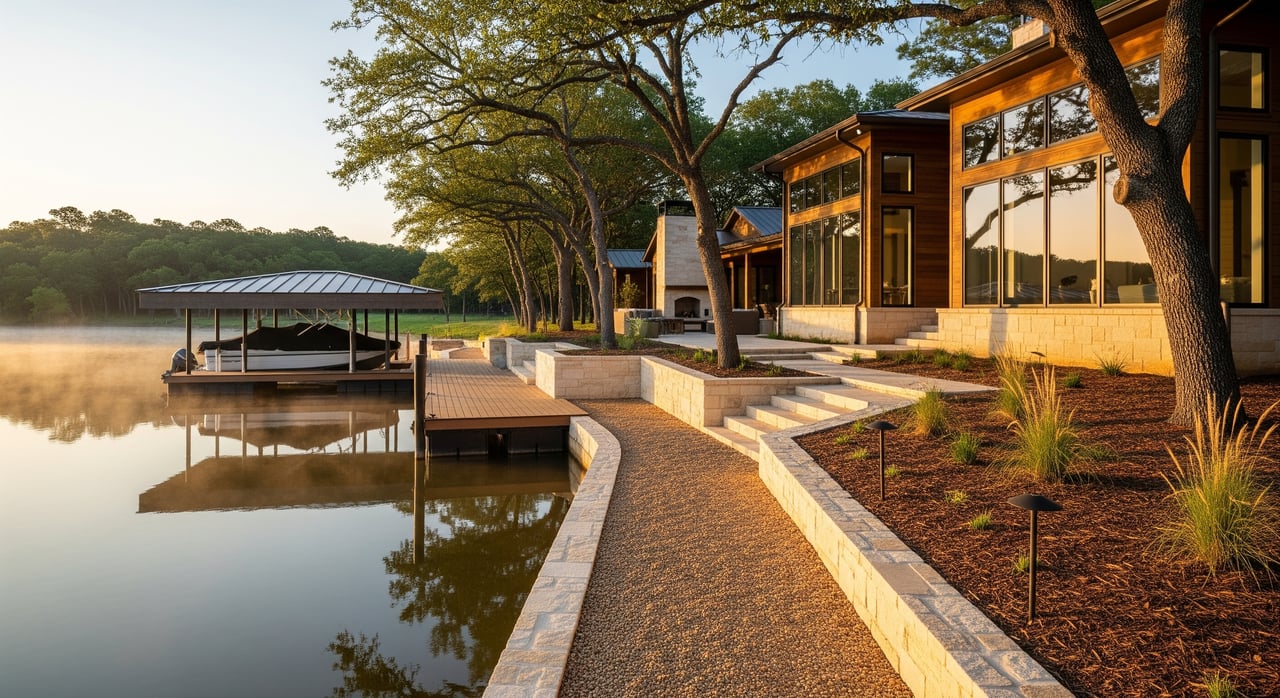
Remote Homebuying On Lake Palestine: Step‑By‑Step
January 1, 2026
January 1, 2026
Buying a lake home from afar can feel risky. You want the water views and weekend escapes, but you also want to avoid surprises with docks, flood zones, or rural systems like septic and wells. With the right plan, you can do it confidently without hopping on a plane for every step. This guide gives you a clear, Lake Palestine–specific process, trusted resources, and a remote-friendly checklist to get from search to keys in hand. Let’s dive in.
Lake Palestine offers a mix of waterfront estates, canal-front homes, and off-water properties close to boat ramps. Many homes rely on private systems like septic and wells, and shoreline features such as docks and bulkheads can have a big effect on value. A structured virtual workflow helps you verify these details before you commit, so you can move fast when the right home appears.
Start with mortgage pre-approval or proof of funds. Some lenders add extra underwriting for waterfront homes, so build in time for that review. Ask your local buyer’s agent for recent waterfront sales, days on market, and property tax context for Anderson County.
Clarify your must-haves: dock type and condition, canal vs. open water, HOA rules, and maintenance expectations. If possible, gather any existing surveys and elevation certificates upfront to speed decisions.
Use live video tours with your agent and request recorded versions when allowed. Ask for high-res photos of the shoreline, under-dock structure, electrical on the dock, bulkheads, and any erosion control. Drone footage and floor plans help you judge layout and topography from afar.
Request a recent survey if available to preview boundaries, shoreline lines, and any encroachments. A quick early review can prevent surprises later.
Ask the listing agent for key items while you are touring:
For standard disclosure forms and guidance, you can review the TREC standard forms as a reference.
Include inspection and financing contingencies with realistic timeframes for remote coordination. For lake homes, consider specific protections for dock and bulkhead condition, shoreline stability, and access rights to ramps or slips. If you cannot attend in person, add a contingency for a satisfactory virtual final walk-through or an in-person walk-through by your authorized representative.
Order inspections immediately after going under contract. Typical lake-specific scope includes:
If you cannot attend, ask inspectors to record videos, screen-share findings in real time, and provide annotated reports. Negotiate seller repairs or credits based on written estimates, and request receipts and photos when work is completed.
Order a title commitment that confirms ownership, recorded easements, and any shoreline encumbrances. If there is no recent survey, consider a new boundary survey or at least a surveyor’s certification. Waterfront boundaries and riparian or littoral rights can be complex without a current survey. Review HOA rules for dock construction, rental limits, exterior changes, and boat restrictions.
Start insurance quotes early and ask specifically about waterfront endorsements and wind or hail exposure. Check the property’s flood zone status using the FEMA Flood Map Service Center and request elevation data if available. Lenders typically require flood coverage in Special Flood Hazard Areas.
For flood coverage fundamentals, visit FloodSmart, the NFIP’s resource. For state-specific guidance on homeowners and flood insurance, consult the Texas Department of Insurance homeowners page and TDI’s flood insurance guide. Secure your insurance binder before closing to keep your timeline on track.
Your lender will order the appraisal. Waterfront comps can be limited, so the appraiser may need additional data or time. Make sure your agent coordinates access for the appraiser, especially if the property is vacant or a secondary residence.
Expect potential lender requests tied to septic, wells, or flood exposure. Build a few extra days into your financing contingency to accommodate underwriting questions.
If you cannot attend the final walk-through, your agent can conduct a live video review to confirm condition and repairs. As a backup, authorize an in-person representative or negotiate an escrow holdback for unresolved items.
Texas closings are completed through title companies or escrow agents. Remote options include mail-away packages with a local notary, eSignatures or eClosings where supported, and a Power of Attorney when your lender allows it. For wire safety, verify instructions directly with the title company and review the FBI’s guidance on business email compromise and wire fraud before sending funds.
Arrange utility transfers for electric and any propane service, and set up septic and well maintenance. Confirm mail delivery details if the home is on a rural route. If you plan to rent the property, review HOA rules and local ordinances for short-term rental requirements and any permits you may need.
Consider local property management or a concierge service to coordinate cleaning, contractor access, dock maintenance, and seasonal tasks.
Gather these documents early to make a smart, swift decision:
Line up the right professionals early:
If Lake Palestine is calling your name, you can move forward with confidence using this remote-friendly plan. From curated virtual tours to vetted local specialists and a streamlined closing, you deserve a process that feels easy and thorough. For concierge-level guidance tailored to East Texas lakefront homes, reach out to the Amy Egaña Group to take the first step.
The neighborhood everyone wants to live in (and two rare listings that just hit the market!)
A smarter way to think about buying in a new luxury community.

Amy Egaña Joins PATH’s Mardi Gras Fundraiser as a 2026 Queen Candidate.
Discover unparalleled real estate service with Amy Egaña Group, bringing a fresh and energetic perspective to guide clients seamlessly through buying or selling their homes. Make your real estate journey with the Amy Egaña Group a personalized and rewarding experience.