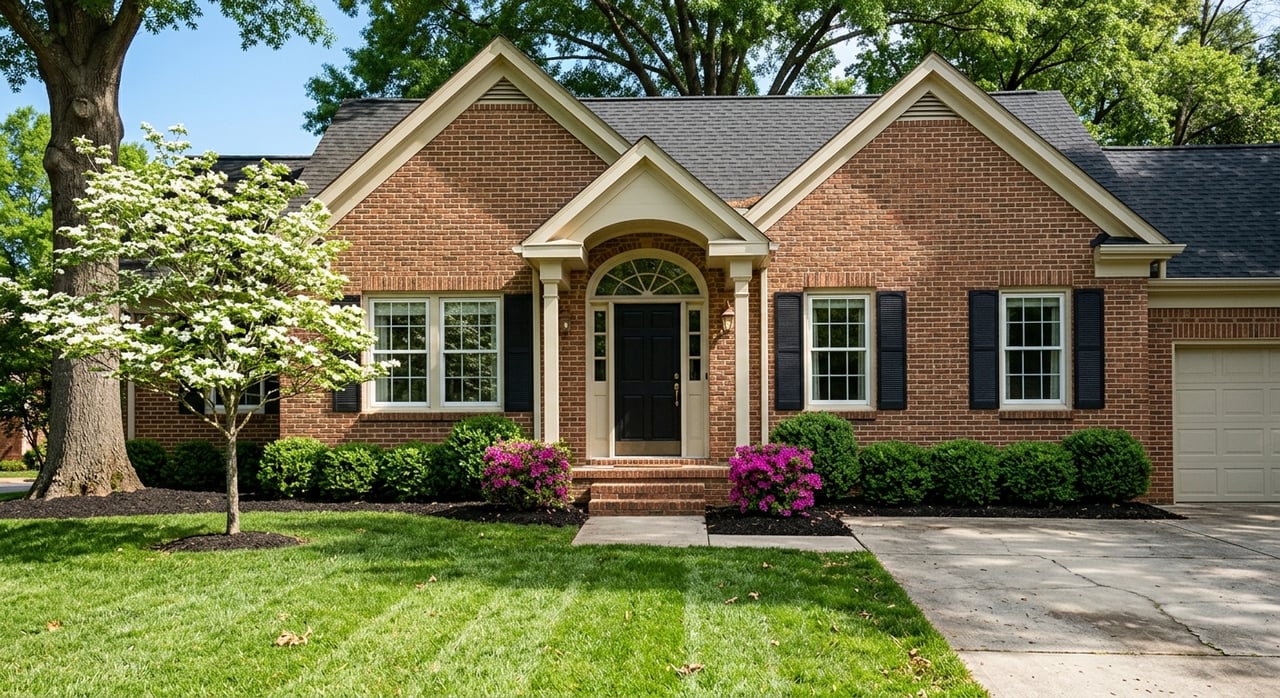
Guide To Architectural Styles In Tyler's Azalea District
May 7, 2026
May 7, 2026
If you have ever driven through Tyler’s Azalea District and wondered why one block feels cottage-like and cozy while the next looks formal, detailed, or distinctly mid-century, you are noticing one of the area’s biggest strengths. This historic district is not defined by just one look, and that is part of what makes it so appealing to buyers who want character. In this guide, you will get a practical way to understand the architectural styles you are most likely to see, how those styles can shape day-to-day living, and why design details matter when you buy or sell here. Let’s dive in.
Tyler’s Azalea Residential Historic District was listed on the National Register of Historic Places in 2003. According to local preservation sources, it includes 76 blocks and 1,047 contributing buildings, sites, and structures, with most development taking place from the 1920s through the early 1950s.
That timeline matters because it helps explain why the district feels layered instead of uniform. You are not looking at a single-era neighborhood frozen in time. You are seeing a collection of homes that reflect several decades of design trends, all tied together by mature trees, azalea plantings, and a strong historic identity.
The district is also one of Tyler’s most recognized historic areas because of the annual Azalea Trails and the neighborhood’s landscaping. That visibility has helped make the area familiar to local buyers and memorable to people relocating to Tyler.
The easiest way to understand the Azalea District is to think of it as a mix of revival homes, bungalow-scale properties, cottages, and later 20th-century additions. Local and historic sources commonly identify styles such as Craftsman, Colonial Revival, Classical Revival, Queen Anne, Tudor, Ranch, and International.
That variety means your experience can change from one street to another. Some homes feel relaxed and casual. Others feel more formal and symmetrical. A few stand out because of decorative detail, while later homes may show simpler lines and a more modern approach.
Craftsman homes are one of the most recognizable styles in the district. They are typically one to two stories and often feature broad, gently pitched gables, a strong front porch presence, and an overall connection to natural materials.
For many buyers, Craftsman homes feel welcoming and easy to live in. Their design often puts less emphasis on formality and more on comfort, flow, and a strong relationship between the house and its setting.
Colonial Revival and Classical Revival homes bring a more ordered, balanced look to the streetscape. Common features include symmetry, emphasized front entries, columns or pilasters, and details such as fanlights, sidelights, or decorative window treatments.
These homes often read as more formal from the curb. If you are drawn to a centered entry, an organized façade, and a classic presentation, this category may be where your eye naturally lands.
The district also includes other styles that add variety across its 76 blocks. Queen Anne homes are known for asymmetry and decorative detail, while Tudor homes often contribute a storybook quality and a strong period presence.
Later Ranch and International homes show that the neighborhood continued to evolve as architectural tastes changed. That is important because it means the district’s appeal comes from a broad architectural range, not a single design formula.
Some buyers describe their favorite Azalea District homes simply as cottages. In practical terms, these tend to be smaller, simpler homes with compact footprints, modest massing, and straightforward porch or entry features.
These homes can be especially appealing if you want historic character without the scale of a larger revival-style property. They often feel manageable, efficient, and visually charming.
Architectural style is not just about curb appeal. In the Azalea District, style can shape how a home feels inside, how you furnish it, and how much upkeep you should plan for over time.
Craftsman homes are often the easiest to explain because their layouts can feel open and efficient. Preservation sources note that many Craftsman bungalows reduce unnecessary hallways and combine living and dining areas in a way that helps modest homes feel larger.
If you prefer connected gathering spaces and a more casual layout, a Craftsman may fit your lifestyle well. These homes often feel practical without losing architectural personality.
Colonial Revival homes often create a different experience. Because many examples use central hall arrangements or rooms positioned on either side of a hall, they can feel more formal and more compartmentalized.
That layout can work well if you like more separation between living spaces. It can also appeal to buyers who want a traditional sense of arrival and room definition.
Cottage-scale homes usually fall somewhere in between. Their smaller footprints and fewer rooms can make furniture planning simpler, but they still require thoughtful use of space.
In a historic neighborhood, maintenance matters just as much as style. Original materials and defining features often play a major role in how a house looks, functions, and holds its character over time.
Porches are a major visual feature across several Azalea District styles, especially Craftsman, Queen Anne, and many Colonial Revival homes. Preservation guidance notes that wood porches are particularly vulnerable to moisture, insects, rot, and deferred repairs.
If you are evaluating a home, look closely at porch floorboards, columns, balusters, and the way the porch roof connects to the structure. These details are easy to overlook at first glance, but they can tell you a lot about ongoing maintenance needs.
Historic windows are another important feature to understand. Preservation guidance notes that original windows often contribute significantly to a building’s architectural character and may be repairable rather than automatically replaced.
That matters in the Azalea District because window pattern, trim, and proportions can have a big impact on how authentic a home feels from the street. In many cases, regular maintenance, weatherstripping, or storm windows may help improve performance while preserving historic appearance.
It is easy to assume a cottage-scale home will automatically mean less responsibility. While a smaller footprint can simplify some aspects of ownership, older homes of any size still benefit from careful maintenance and preservation-minded updates.
In other words, choosing a smaller historic home may reduce scale, but it does not remove the importance of monitoring porches, windows, trim, and original materials.
In the Azalea District, style can influence how buyers respond to a home. Buyers in historic neighborhoods often look beyond square footage and pay attention to authenticity, visual character, and how much original detail remains.
A preserved porch, the right window pattern, and clear period detailing can help a home stand out. In a neighborhood already known for historic architecture, those elements often carry real visual weight.
The district’s recognition also adds context for buyers and sellers. The City of Tyler notes that National Register listing can bring recognition and may make properties eligible for federal and state rehabilitation tax credits, while the listing itself does not automatically impose restrictions on private property.
At the same time, if a property has local landmark or overlay status, exterior work may require a Certificate of Appropriateness. That is an important detail to confirm early if you are planning changes to a home’s exterior.
If you are beginning your search, it helps to look past surface charm and compare homes through a practical lens. Architectural style should support the way you want to live, not just the look you admire from the sidewalk.
As you tour homes in the Azalea District, consider these questions:
Those questions can help you narrow your priorities quickly. In a neighborhood with this much variety, clarity matters.
The Azalea District works best when you understand it as a spectrum of architectural styles rather than a one-style historic enclave. Craftsman bungalows and cottage-scale homes offer warmth and efficiency, while Colonial Revival and Classical Revival homes bring symmetry and formality. Queen Anne, Tudor, Ranch, and International examples add even more texture to the neighborhood’s identity.
For buyers, that means style affects more than appearance. It influences layout, maintenance expectations, and the overall feel of daily life. For sellers, it is a reminder that architectural details are not just background features. They are often part of the story that helps your home connect with the right buyer.
If you are thinking about buying or selling in Tyler’s Azalea District, working with a team that understands both the homes and the neighborhood story can make a real difference. Connect with the Amy Egaña Group for local guidance and a thoughtful, high-touch approach tailored to Tyler’s most distinctive properties.
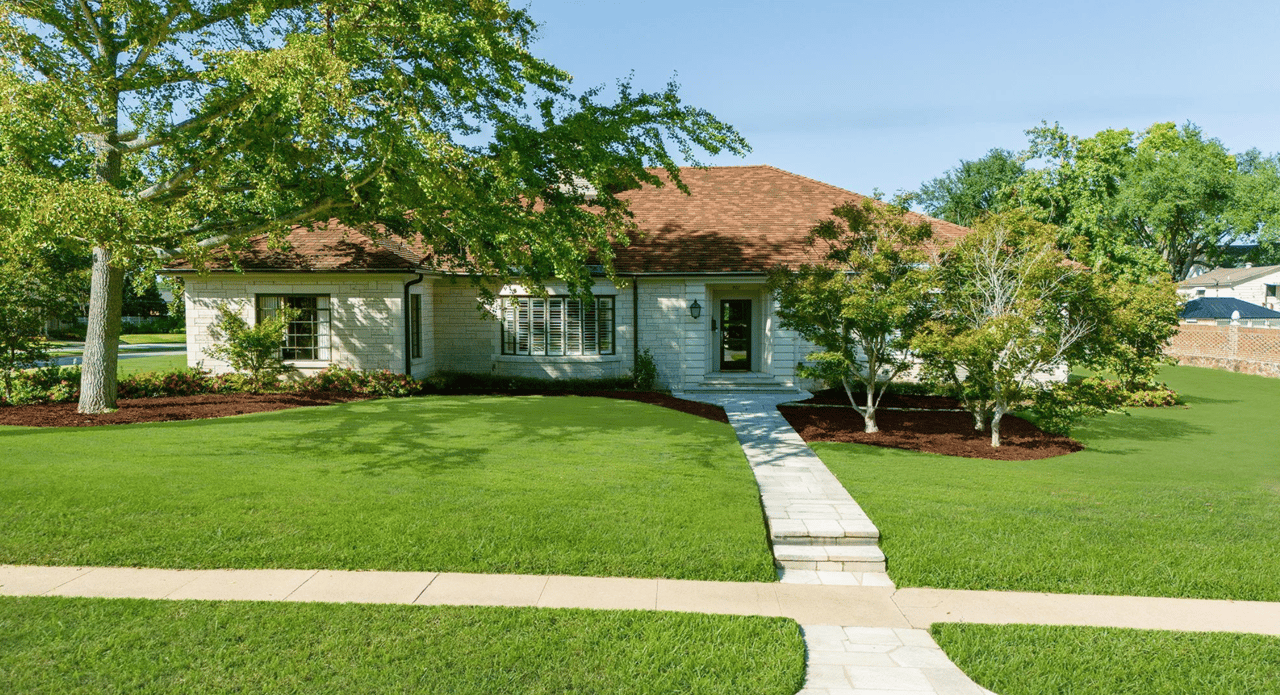
The neighborhood everyone wants to live in (and two rare listings that just hit the market!)
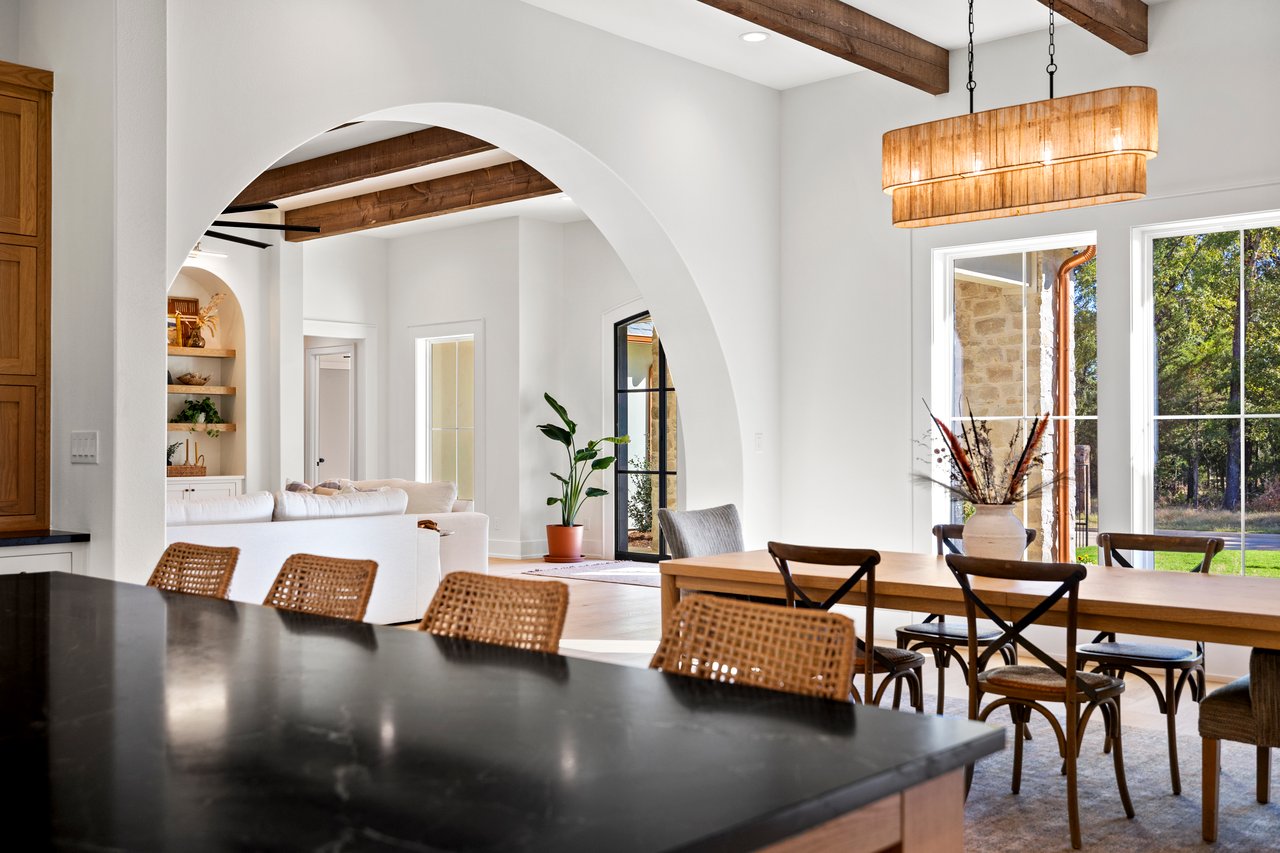
A smarter way to think about buying in a new luxury community.
Discover unparalleled real estate service with Amy Egaña Group, bringing a fresh and energetic perspective to guide clients seamlessly through buying or selling their homes. Make your real estate journey with the Amy Egaña Group a personalized and rewarding experience.