Buying A Waterfront Home On Lake Tyler: Key Considerations
June 11, 2026
June 11, 2026
If lakefront living is on your wish list, Lake Tyler can feel like the perfect East Texas escape. But buying on the water is different from buying on a typical residential street, and the details matter more than many buyers expect. If you are considering a waterfront home on Lake Tyler, this guide will help you focus on the factors that can shape your lifestyle, budget, and long-term value. Let’s dive in.
Lake Tyler is not one single body of water. It is a two-lake system made up of Lake Tyler West and Lake Tyler East, which are connected by a canal. According to Texas Parks and Wildlife, Lake Tyler West spans about 2,224 acres and Lake Tyler East covers about 2,276 acres.
That setup matters when you start comparing homes. The two sides of the lake can offer a different feel depending on lot orientation, sun exposure, and how protected the shoreline is from open-water conditions. Some properties are positioned for sunrise views, while others are marketed for sunset-facing backyards and docks.
The lakes are also part of the City of Tyler’s drinking-water supply. The City of Tyler Water Utility is the controlling authority, and the city maintains roads, recreation areas, and boat ramps around the lakes. That city-managed structure is one of the biggest things that sets Lake Tyler apart from some other East Texas lake markets.
One of the most important first steps is confirming whether the property is leasehold or fee simple. This is not a minor technical detail. It can affect financing, resale, lender review, and what you may be able to build or change along the shoreline.
The City of Tyler’s master plan states that residential leases on Lake Tyler occur through long-term leases with the city, and it references existing residential lots on Lake Tyler. The same planning materials also note that most of the shoreline on Lake Tyler East is privately owned.
Because ownership can vary from parcel to parcel, you do not want to make assumptions based on a nearby home. A property that looks similar to the one next door may have a different land structure and different development limits. Before you move too far into the buying process, ask for the documents that clearly show how the parcel is held.
If a home is fee simple, you are typically buying the real property interest in the more familiar way most buyers expect. If it is leasehold, the transaction may involve additional review by your lender and appraiser. That can influence your timeline and loan options.
For buyers using financing, this step is especially important. Leasehold properties can still be financeable, but they may require more specialized underwriting and appraisal review. Getting clarity upfront can help you avoid surprises later.
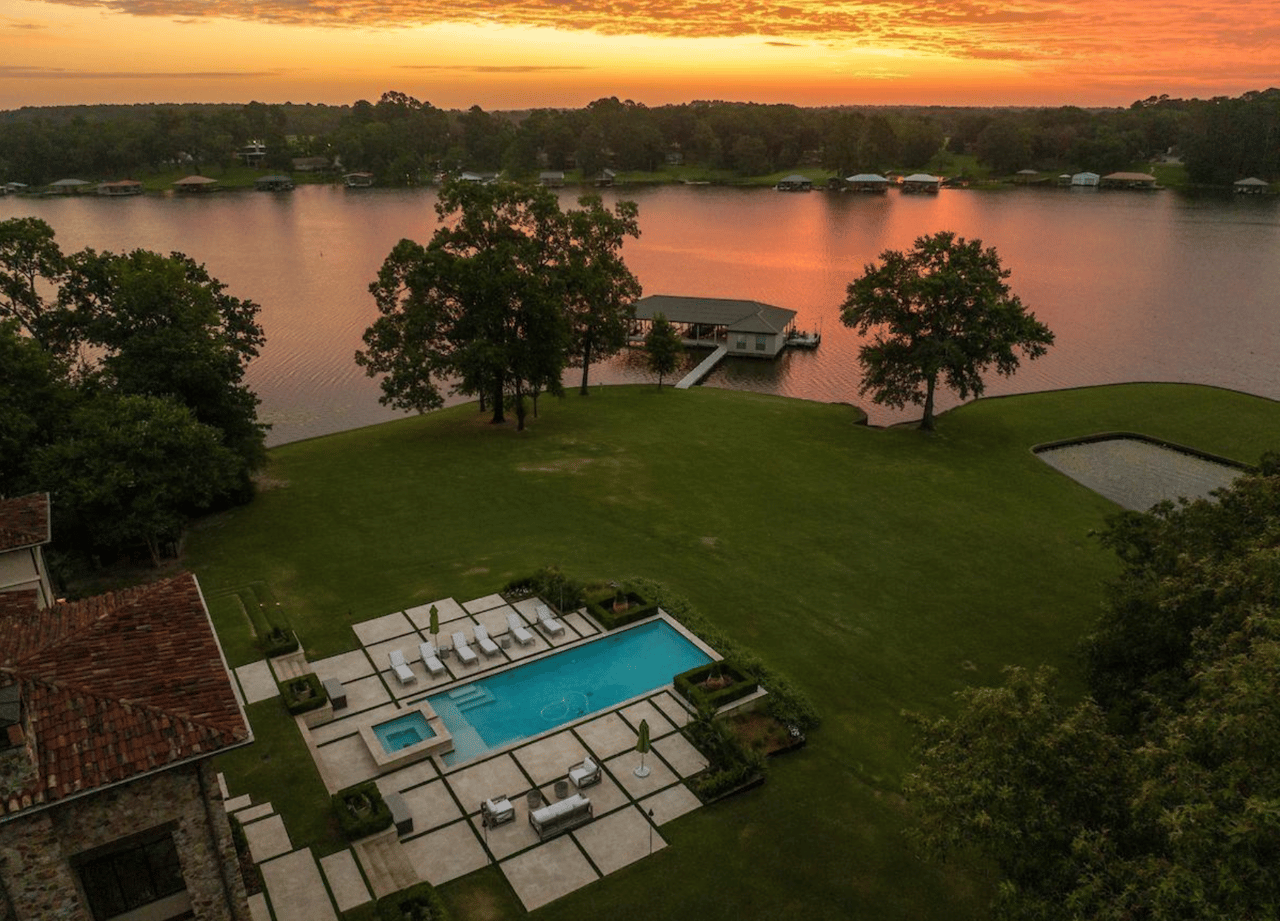
A waterfront home is often about more than the house itself. On Lake Tyler, the dock, boathouse, slip, lift, and shoreline access can have a major impact on how useful and enjoyable the property feels day to day.
City materials show that construction around the lake is closely controlled through the permit process. The permit requirements can vary depending on whether the work is on land, over water, or involves plumbing. A city ordinance update in April 2025 also added stricter boathouse and sanitation rules, including further restrictions on plumbing in boathouses and a 100-foot setback restriction for sanitary facilities from the 378-foot MSL elevation.
That means you should never assume an existing structure is fully permitted or that you can automatically add the same kind of dock or boathouse you see nearby. On Lake Tyler, shoreline improvements are highly property-specific.
Before you buy, make sure you know:
This matters because some buyers want immediate turn-key lake access, while others are comfortable buying a lot or home and improving the shoreline later. Both can work, but the due diligence is very different.
A beautiful view will always matter, but waterfront living is also about how a property functions throughout the day and across the seasons. On Lake Tyler, orientation can shape everything from your outdoor comfort to the feel of the home’s main living spaces.
For example, morning light and evening light can create a very different experience on the patio, at the dock, or through large rear windows. Cove locations may offer more protection, while open-water exposure can change wind, boat traffic feel, and the overall setting.
Texas Parks and Wildlife describes the water as moderately clear, with about 2 feet of fluctuation, and notes some hydrilla in Lake Tyler East. These practical details can influence boating, swimming, shoreline maintenance, and how you use the property year-round.
Lake Tyler waterfront pricing does not fall into one simple band. Recent public listing snapshots suggest a stepped market, with entry points, finished homes, and premium properties all occupying different parts of the price range.
In the late spring and early summer 2026 snapshot, waterfront land appeared in the low $300,000s, including a Lake Tyler West lot listed at $313,000. New construction on Lake Tyler East appeared at $488,900, while finished homes were also seen around $695,200 and $893,900. A larger Lake Tyler East property showed an estimated value around $1.03 million.
The big takeaway is that shoreline quality, dockability, permit status, and overall usability can matter just as much as square footage. A lower-priced waterfront lot may still require meaningful planning and approvals before it delivers the lake lifestyle you have in mind.
Depending on the property, your price point may be buying:
That is why side-by-side comparisons are so important. Two homes with similar asking prices can offer very different value once you account for ownership type, permit history, and waterfront improvements.
If you are also considering other East Texas waterfront markets, it helps to understand Lake Tyler’s scale and character. Lake Tyler West and Lake Tyler East are each just over 2,200 acres, which makes them much smaller than nearby lakes like Lake Palestine, Lake Fork, and Cedar Creek Reservoir.
That smaller scale creates a different buying conversation. Rather than chasing the broad-reservoir experience of some larger lakes, many buyers are drawn to Lake Tyler for its city-managed waterfront model, consistent bass fishery, and close connection to Tyler.
Texas Parks and Wildlife notes that both lakes are consistent largemouth bass fisheries, with many fish in the 2- to 8-pound class and a few over 10 pounds. If fishing and private lake access are part of your goals, that adds another layer to the value of dock rights and shoreline usability.
On any waterfront purchase, flood review should happen early, not late. The City of Tyler’s floodplain-development permit requires items like a site plan, elevation data, and final inspection. For work in the 100-year floodplain, the city requires mitigation plans and engineer-sealed calculations.
In practical terms, that means a survey is one of the most valuable documents in your due diligence file. A property that seems straightforward can still trigger added paperwork or engineering review, especially if future improvements are part of your plans.
If you will be financing the home, verify flood zone status with your lender as soon as possible. For homes in a designated Special Flood Hazard Area, flood insurance is generally required for a mortgage. Buyers should also keep in mind that standard NFIP coverage generally does not cover boathouses, docks, piers, or other open over-water structures.
Waterfront ownership costs can extend beyond the purchase price. Depending on the property, you may need to budget for:
Knowing these items upfront can help you make a cleaner comparison between one property and another.
When you are buying a Lake Tyler waterfront home, the best approach is to treat the house and the shoreline as one package. You are not just buying finishes, views, and square footage. You are also buying a set of legal, physical, and practical conditions tied to the lot.
A focused due diligence process should include:
This kind of preparation is especially helpful if you are relocating or buying a second home. Waterfront purchases often move best when you have a local guide who understands both the market and the paperwork behind it.
The right Lake Tyler property is not always the one with the flashiest photos. It is the one that matches how you actually want to live. That could mean easy boating access, a protected cove, room to update the home, or a property with strong permit history and fewer unknowns.
If you are shopping in the Lake Tyler area, it helps to look past the first impression and evaluate the full package. When you understand ownership structure, shoreline rules, dock options, floodplain considerations, and realistic price positioning, you can buy with much more confidence.
If you want expert guidance on Lake Tyler waterfront homes and a boutique, high-touch buying experience, connect with Amy Egaña Group.
Discover unparalleled real estate service with Amy Egaña Group, bringing a fresh and energetic perspective to guide clients seamlessly through buying or selling their homes. Make your real estate journey with the Amy Egaña Group a personalized and rewarding experience.